The best free D&D DM tools (2026)
The best free D&D DM tools for 2026: browser-based generators, trackers, and map utilities that speed up prep and run sessions, with no signup or cost.
The best free D&D DM tools are the ones that quietly remove friction from the things you do every single session: rolling up an NPC name on the spot, tracking initiative, building a fair encounter, showing a map. You don’t need an expensive subscription to run a great game — you need a handful of fast, browser-based tools that do one job well and don’t make you create an account first. This guide walks through the categories that matter, what to look for in each, and the specific free tools that handle them, so you can assemble a toolkit that fits how you actually run your table.
Tools for building and running combat
Combat is where good tools save the most time. Two jobs come up every session.
Encounter building. You want to know a fight is fair before you run it, not discover mid-combat that you’ve accidentally planned a TPK. A free encounter builder lets you set a difficulty and assemble monsters against a budget, so you walk in confident. Pair it with a quick reference to monster stat blocks for the creatures you pick.
Initiative tracking. Once the dice are out, you need turn order, hit points, and conditions in one place. A clean initiative tracker keeps a busy multi-monster fight moving instead of stalling while you scribble on scrap paper. For spellcasters, a spell-slot tracker and a condition reference stop the table from pausing to argue about rules.
These four cover the entire combat loop, from planning the fight to resolving its last condition.
Generators for instant content
Players go off-script. Generators are how you keep up without breaking immersion.
A name generator is the single most useful improv tool a DM owns — the moment a player asks “what’s the innkeeper called?” you have an answer instead of a pause. A loot generator and a magic item generator handle rewards on the fly, and a random dungeon generator produces a usable layout in seconds when the party goes somewhere you didn’t prep.
The point of a generator isn’t to replace your creativity — it’s to cover the gaps, so an unexpected turn becomes a quick roll instead of a derailment.
Map and display utilities
If you play in person or share a screen, map tools matter as much as anything.
A grid overlay tool adds a clean grid to any image, a map splitter tiles a large map for printing, and a map stitcher joins multi-part maps into one scene. To run maps on a screen, a tabletop display pushes a map to a second monitor or TV, and a fog of war tool reveals it gradually as the party explores. For handouts, a handout viewer shows players a letter, map, or clue without passing your laptop around.
Together these replace a surprising amount of paid virtual-tabletop functionality for the specific job of showing players what they can see.
Reference and prep tools
Beyond the table, prep tools save hours across a campaign.
Quick lookups for spells, magic items, and monsters mean you’re not flipping through books mid-session. A travel and weather tool and hex coordinates help with overland journeys, and one-shot adventure tools give you a ready structure when you need a session fast.
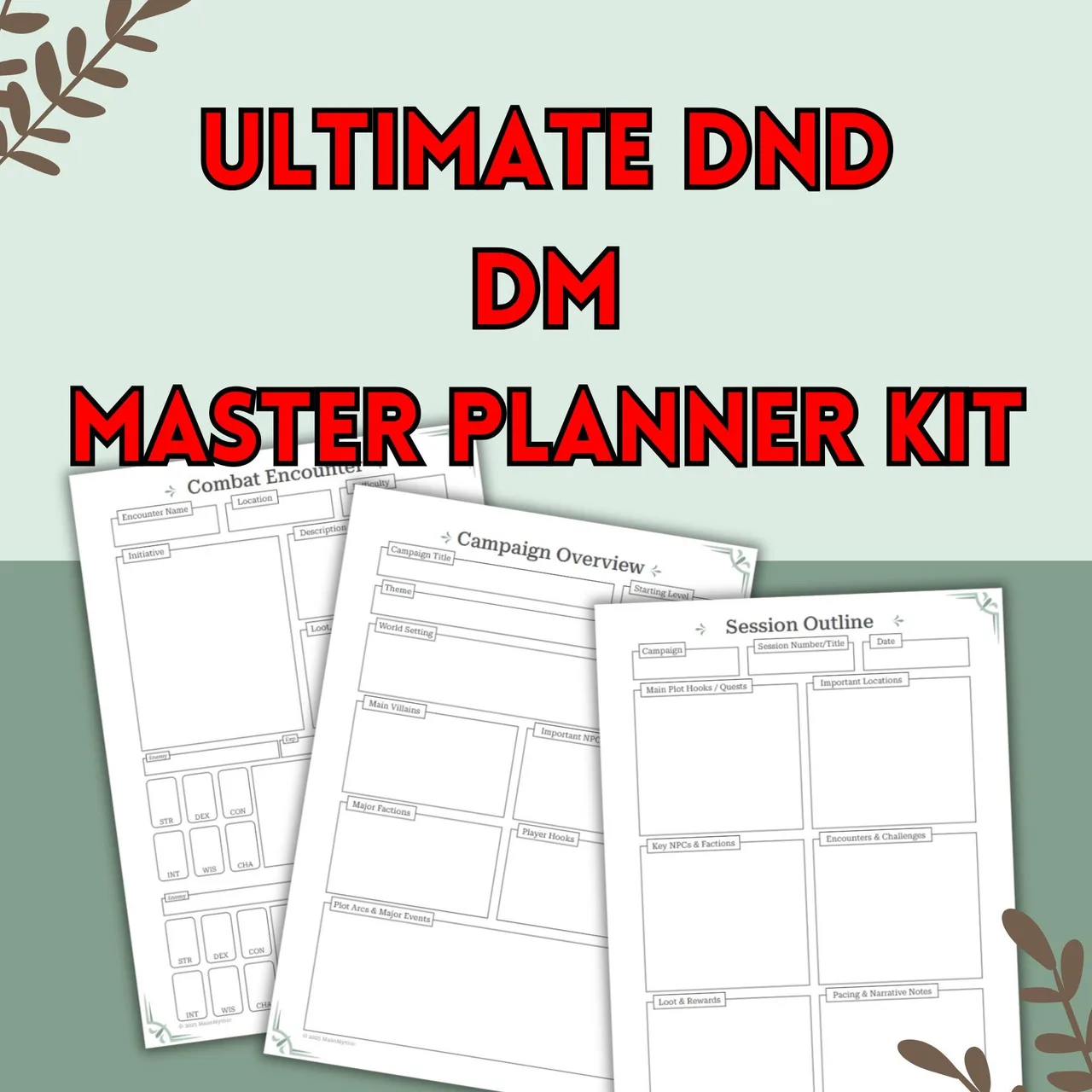
For the prep that lives in a spreadsheet — tracking the campaign, sessions, loot awarded, and who’s attending — a dedicated planning kit keeps everything in one place instead of scattered across notes apps.
What to look for in a free tool
Not all free tools are worth your time. A few markers separate the good from the frustrating.
No mandatory signup. The best tools run in your browser client-side. They’re faster, they respect your privacy, and they keep working regardless of any account.
Does one job well. A focused tool you can learn in ten seconds beats a sprawling suite you have to study. Assemble your toolkit from specialists.
Works on your device. If you DM from a tablet or phone at the table, the tool needs to work there, not just on desktop.
Degrades gracefully offline. Session-critical tools shouldn’t vanish if the venue’s wifi drops.
Build your toolkit, not someone else’s
You don’t need every tool listed here. Start with the three you’ll use every session — an initiative tracker, a name generator, and a way to show maps — and add the rest as specific needs come up. A DM who has exactly the right small set of tools runs a smoother game than one drowning in features they never touch.
All of the tools linked above are free and live on this site, built to do one job each without an account. Browse the full free tools collection to assemble the set that fits your table, and if you’d rather have your reference material in your hands at the table, our printable card decks and planners cover the same jobs in physical form.
Frequently asked questions
- What are the best free D&D DM tools?
- The most useful free tools cover the jobs you do every session: an encounter builder, an initiative tracker, NPC and name generators, a loot generator, and map utilities like grid overlays and a fog-of-war display. Browser-based tools that need no signup are the most convenient because they work on any device.
- Are there free D&D tools that work offline?
- Yes. Many browser tools cache and run without a connection once loaded, and downloadable resources like printable cards and maps work entirely offline. For session-critical tools, offline-capable options remove the risk of losing access mid-game if your internet drops.
- What tools does a new Dungeon Master actually need?
- Start small: an initiative tracker, a name generator for improvised NPCs, and a way to show maps. Add an encounter builder and a loot generator as you get comfortable. You don't need a huge toolkit on day one, you need a few tools that remove the friction from the things you do most.
- Do free D&D tools require an account?
- The best browser-based tools don't. Look for tools that run client-side with no login, because they're faster, more private, and keep working regardless of any service's account status. Avoid tools that lock basic features behind a signup unless you genuinely need what they add.
- Can free tools replace paid D&D software?
- For most tables, yes. Free generators, trackers, and map utilities cover the core DM workflow. Paid software earns its place mainly for deep virtual-tabletop automation or large pre-made content libraries, but the day-to-day jobs of prep and running a session are well served for free.
From the shop
Battlemaps, spell cards, and magic item cards, ready to print.
Browse MakeMythic on Etsy →