How to Keep Your D&D Campaign Going Over the Summer
How to keep your D&D campaign going over the summer: the play-with-who-shows-up rule, low-prep backup one-shots, and setting attendance expectations.
Summer is when campaigns quietly die. Players take holidays, kids are off school, and the weekly slot that ran like clockwork all winter suddenly has two or three people out every week. The instinct is to cancel until everyone’s back, but a cancelled session becomes a cancelled month becomes a campaign nobody quite restarts. The fix is to stop treating full attendance as the bar for play. Keep your D&D campaign going over the summer by playing with who shows up, keeping a backup one-shot ready, and agreeing the rules of absence before the season thins your table out.
Adopt the play-with-who-shows-up rule
The single highest-impact decision is to agree that the session runs even when people are missing. Set a minimum headcount, usually your full table minus one or two, and commit to it. If you have a five-player game, “we play with three” is a rule worth writing down. As one widely shared piece of DM advice puts it, the best thing you can do is play as long as you have three or four players who can make it, rather than holding out for everyone.
This works because the alternative is worse. Waiting for 100% attendance hands a veto to whoever is busiest, and across a summer that’s almost nobody available at once. A minus-one or minus-two rule keeps the story advancing, gets characters to higher levels, and protects the habit of meeting. Habits are fragile; a group that skips three weeks rarely comes back at full strength.
Be honest about which sessions are too important to run short. A long-planned boss fight or a moment that hinges on a specific player can wait. Everything else proceeds. The default is “we play.”
One practical wrinkle: combat balance shifts when the party shrinks. A fight tuned for five level-six characters can flatten three of them, because action economy is brutal when you’re down two turns a round. When you’re playing short, soften encounters on the fly. Drop a few enemies, cut some hit points, or give the smaller party a terrain advantage. You’re not lowering the stakes of the campaign, just keeping a thin-week fight from becoming an accidental TPK that nobody who skipped will feel responsible for.
Handle absent characters without breaking the story
Once you’re playing short, you need a clean way to deal with the missing characters at the table. Pick one method and apply it every time, so nobody has to negotiate it mid-session.
The two reliable options are simple. First, fade the character into the background with a quick in-fiction reason: they’re guarding camp, running an errand in town, or tied up with personal business. They’re “there” for continuity but don’t act, which means they learn what the party learned and slot back in cleanly next week. Second, have a present player run the absent character in combat only, so the party isn’t down a sword arm, but keep that character out of roleplay and major decisions.
The rule that protects everyone is this: don’t give an absent player’s character a big story beat they weren’t present for. No dramatic deaths, no character-defining choices, no secret revealed only to them. Players forgive missing a fight. They don’t forgive missing the moment their own character mattered most.
Keep a low-prep backup one-shot ready
Some weeks the table is too thin even for the play-short rule, or you simply don’t want to advance the main plot with half the cast gone. This is what a backup one-shot is for. A self-contained side quest lets the people who showed up have a real session that costs absent players nothing.
The trick is that a backup needs almost no prep, because you’ll often decide to run it an hour before the game. Good thin-week formats include a downtime episode (crafting, shopping, a training montage with skill checks), a faction errand that rewards favours rather than plot, or a flashback to before the campaign began. A short dungeon delve with a clear goal also works, and a random dungeon generator can hand you a map and rooms in minutes when you’ve got nothing prepped.
A backup one-shot is also the perfect place to let a player try running the game. If you’ve got a regular who’s curious about the screen, a low-stakes summer side session is a forgiving sandbox for their first attempt, and it gives you a night off as a player for once. That swap keeps the table engaged even when your own prep energy is running low in the heat.
Keeping a couple of these on a shelf means a thin week never means a cancelled week. If you’d rather grab something pre-built, our one-shot adventure tools assemble a complete short session you can drop in when the main game can’t run.
Set attendance expectations before summer hits
Most summer friction comes from expectations nobody agreed on. The DM assumes people will prioritise the game; players assume a missed week is no big deal. Both are reasonable, and they quietly collide in July. Head it off with a five-minute conversation before the season starts.
Cover four things: the minimum headcount you’ll play with, how absent characters are handled, whether you’re keeping the weekly cadence or dropping to fortnightly, and how much notice you’d like for an absence. None of this needs to be strict. The point is shared expectations, so a missed session reads as “the system working as designed” rather than someone letting the group down. A campaign that runs on goodwill survives a summer; one that runs on guilt does not.
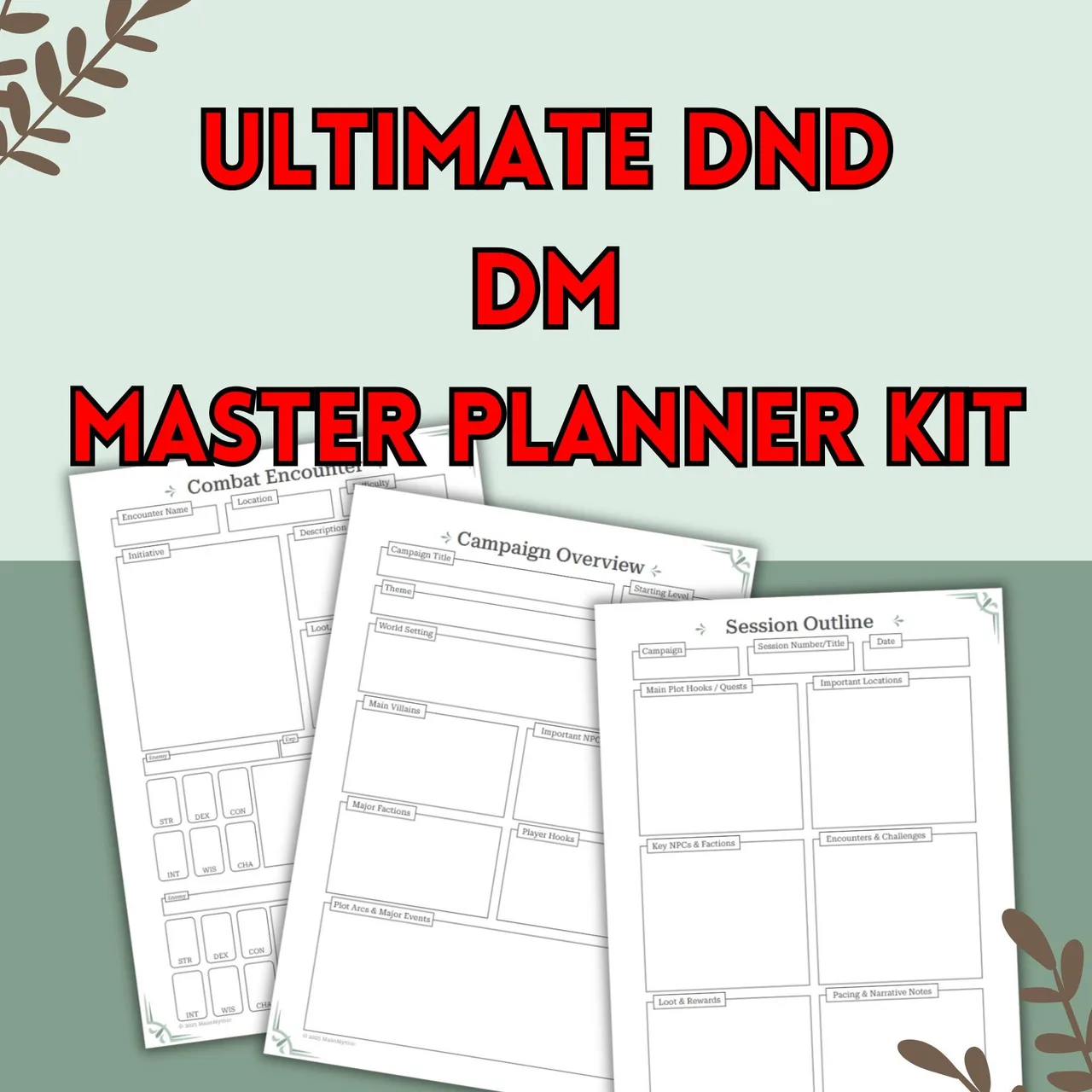
Writing it down matters more than it sounds. People forget verbal agreements, and “we said we’d play with three” only settles an argument if you can point to where you said it. A shared tracker for dates, attendance, and quick session recaps keeps everyone honest and means a returning player can catch up in thirty seconds instead of derailing the opening.
Adjust your cadence instead of forcing the calendar
If weekly play is collapsing every other week, the cadence is the problem, not the players. A weekly slot that fires once a month in disguise is demoralising, because every cancellation reads as a failure. A fortnightly or monthly slot that actually happens reads as success, even though you’re playing the same number of real sessions.
Dropping frequency for the summer often increases attendance, because more people can protect one Friday a fortnight than four Fridays a month. Pick the lower cadence, lock the dates early, and treat them as fixed. Predictability is what holds a group together over a stretch where everyone’s calendar is chaos. You can return to weekly in the autumn when school’s back and holidays are over.
While you’re rescheduling, resist the urge to over-prep for sessions that might not fire. Lean on tools that let you run light. An initiative tracker keeps a short-handed fight moving, and an NPC name generator means an improvised summer detour never stalls because you blanked on a name. The less prep a session needs, the easier it is to say yes to running it with whoever turned up.
Protect momentum, not perfection
The campaigns that make it through summer aren’t the ones with the most committed players or the best maps. They’re the ones that kept meeting, even at half strength, even with a thrown-together side quest, even when the plot only crept forward. Momentum compounds; so does its absence.
Set the play-with-who-shows-up rule, keep a backup one-shot in your pocket, agree the expectations early, and adjust your cadence to match reality instead of fighting it. Do that, and you’ll come out of August with a living campaign instead of a “we should pick that back up sometime.” For more on building durable group habits from the start, our session 0 guide covers the attendance and scheduling conversation in depth, and the best free D&D DM tools roundup gathers everything you need to keep summer sessions low-prep and easy to run.
Frequently asked questions
- How do you keep a D&D campaign going over the summer?
- Agree to play with whoever shows up rather than waiting for full attendance, keep a low-prep backup one-shot ready for thin weeks, and set clear attendance expectations before summer starts. The campaigns that survive summer are the ones that keep meeting, even at reduced numbers.
- What is the play-with-who-shows-up rule in D&D?
- It's a standing agreement that the session runs as long as a minimum number of players attend, usually the full table minus one or two. It stops a single absence from cancelling the night and keeps the campaign moving through holiday season.
- How do you handle an absent character mid-session?
- Pick one method and stick to it: fade the character into the background with a quick in-fiction reason, or have a present player run them in combat only. Avoid handing absent players' characters big story moments they weren't there for.
- What do you run when half your players are missing?
- Run a self-contained side quest or a short one-shot that doesn't advance the main plot, so absent players miss nothing critical. A downtime episode, a faction errand, or a flashback all work and need very little prep.
- How often should you play D&D in the summer?
- If weekly is failing, drop to every other week or monthly for the summer and protect those dates. A predictable lower cadence holds a group together far better than a weekly slot that keeps collapsing.
Keep reading
From the shop
Battlemaps, spell cards, and magic item cards, ready to print.
Browse MakeMythic on Etsy →