How Does Hiding Work in D&D 2024? Stealth Rules Untangled
A clear guide to hiding and stealth in D&D 2024: the Hide action, the reworked Invisible condition, what ends being hidden, and a simple table ruling.
Hiding in D&D 2024 runs through one action and one condition. You take the Hide action, succeed on a DC 15 Dexterity (Stealth) check while you’re Heavily Obscured or behind Three-Quarters or Total Cover and out of every enemy’s line of sight, and on a success you gain the Invisible condition. Your check total becomes the DC a creature must beat with a Wisdom (Perception) check to find you. The condition ends the moment you make a loud noise, make an attack roll, cast a spell with a Verbal component, or an enemy finds you. That’s the whole engine. The confusion comes from how those pieces interact.
What the Hide action actually requires
The 2024 Hide action has three gates you must clear before you even roll. You must be:
- Heavily Obscured, or behind Three-Quarters Cover or Total Cover. Light obscurement and half cover are not enough. You need real concealment.
- Out of any enemy’s line of sight. If an enemy can plainly see you, you can’t begin to hide from it. The rules note that if you can see a creature, you can tell whether it can see you.
- Able to beat DC 15 on a Dexterity (Stealth) check.
Clear all three and you succeed on the action. The key detail people miss: the DC to hide is a flat 15, but the number you roll still matters. Your total becomes the DC enemies use to find you later. A rogue who rolls a 26 is much harder to spot than one who scraped a 15, even though both succeeded at hiding.
The Invisible condition is the real change
This is where 2024 reworked the most. In the old rules, “hidden” and “unseen attacker” were separate scattered mechanics. The 2024 rules fold everything into a single condition: Invisible. When you hide successfully, you gain it. The condition has three named effects:
- Surprise. If you’re Invisible when you roll Initiative, you have advantage on the roll.
- Concealed. You aren’t affected by any effect that requires its target to be seen, unless the effect’s creator can somehow see you. Equipment you wear or carry is concealed too.
- Attacks Affected. Attack rolls against you have disadvantage, and your attack rolls have advantage. If a creature can somehow see you, you don’t get this benefit against that creature.
Read that last clause carefully, because it’s the heart of the confusion. The Invisible condition is the new home for what used to be “attacking from hiding” and “unseen attacker.” A hidden rogue attacks with advantage because they’re Invisible, not because of a separate stealth rule. And the “if a creature can somehow see you” exception is why true-sight, blindsight, and similar senses strip the benefit even when you’re technically Invisible.
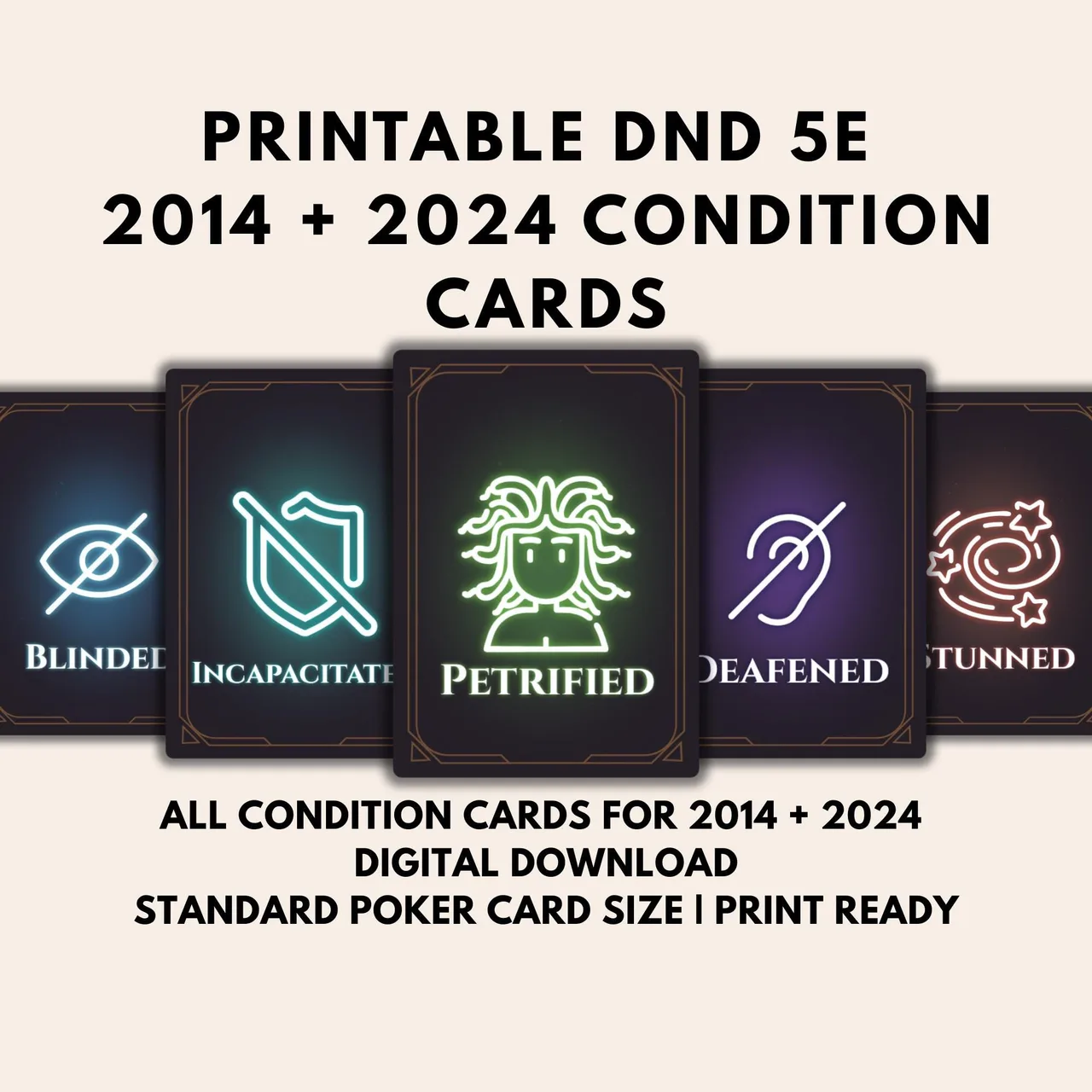
This bundling is elegant, but it trips up tables because the same condition now covers both a wizard’s Invisibility spell and a rogue ducking behind a crate. They share a condition; they don’t share how that condition ends. Keeping that distinction straight at the table is the single most common stealth question, and it’s exactly the kind of thing a quick reference card solves faster than flipping pages.
How being hidden ends
The Hide action lists exactly four triggers that end the Invisible condition it granted. The condition ends on you immediately after any of the following:
- You make a sound louder than a whisper.
- An enemy finds you.
- You make an attack roll.
- You cast a spell with a Verbal component.
Note what isn’t on the list: moving out of cover is not an automatic end-trigger. This is the most argued-about point in the 2024 stealth rules, and it’s worth understanding why. If stepping out of cover instantly ended hiding, a rogue could never run up and stab someone with advantage, because they’d be revealed before the attack landed. The written rules let the hidden creature stay Invisible while moving; an enemy only strips that away by finding them. The trade-off is that this can feel unrealistic, because a creature sprinting across an open room is technically still “Invisible” until someone actively finds them.
How enemies find a hidden creature
Finding works two ways, and both reference your Stealth total as the DC.
Active search. An enemy spends its action on the Search action, making a Wisdom (Perception) check. If it meets or beats your Stealth total, it finds you and your Invisible condition ends. This costs the enemy an action, which is the cost of looking for someone who’s actively hiding.
Passive Perception. Passive Perception still functions as a floor. If an enemy’s passive Perception already meets or beats your Stealth total, the DM can rule it simply notices you without anyone rolling. A rogue who hides with a total of 16 against a guard with passive Perception 18 doesn’t really stay hidden, because the guard’s senses already clear the bar. This is why the flat DC 15 is only the entry ticket, and your actual roll is what keeps you concealed.
The practical takeaway for DMs: decide up front whether a watching enemy gets a passive check, a Search action, or both. State it out loud so players know the rules of the scene before they commit to sneaking.
The confusion, named plainly
Most stealth arguments in 2024 reduce to three questions. Here’s a clean ruling for each.
- Does leaving cover reveal me? By the written rules, no. Only the four listed triggers end hiding. Many DMs house-rule that a hidden creature with no cover and no obscurement in an enemy’s line of sight gets found automatically. That’s a reasonable, common ruling. If you adopt it, tell your players.
- Do I get advantage on my attack from hiding? Yes, because you’re Invisible, and Invisible attackers have advantage. The attack roll then ends the condition, so you get one advantaged strike, not a stream of them.
- Can a creature that sees in the dark or sees the unseen still spot me? Yes. The Invisible condition’s attack benefits and its Concealed clause both fail against a creature that can “somehow see you.” Truesight, blindsight, and similar senses see through it.
A clear table ruling you can adopt tonight
If you want one consistent ruling that respects the rules as written while staying intuitive, use this:
- A creature taking the Hide action needs cover or heavy obscurement, must be out of line of sight, and must beat DC 15. Record the total.
- On success it’s Invisible. It can move while hidden, but if it ends a move with no cover or obscurement in an enemy’s line of sight, that enemy automatically finds it.
- Enemies otherwise find it by Search (active roll) or passive Perception meeting the total.
- The first attack, loud noise, or verbal-component spell ends hiding, granting one advantaged attack from concealment.
That keeps the rogue’s signature move intact, stops “I sprint across the lit hall and stay Invisible” nonsense, and gives players a predictable system. Run stealth on a battlemap so cover and line of sight are unambiguous. Our grid overlay tool drops a clean grid onto any map for measuring cover and movement, and the token maker makes it obvious who is hidden and who is searching. When initiative gets tense, an initiative tracker keeps turn order straight while everyone hunts for the hidden rogue.
Why this matters for pacing
Stealth scenes stall when the table argues mid-tension about whether someone is seen. The fix is the same as it is for the frightened condition: know the rule, state your ruling, and keep a reference handy so a quiet moment stays quiet. Stealth also feeds directly into encounter design, because a hidden party with advantage on Initiative changes the math of a fight. If you build encounters around ambushes, read how to build balanced D&D encounters so a surprise round doesn’t accidentally one-shot your villain.
Quick cheat sheet
- Hide: DC 15 Dexterity (Stealth), need cover or heavy obscurement, out of enemy line of sight. Record the total.
- On success: gain the Invisible condition. Your total is the DC to find you.
- Invisible gives: advantage on Initiative, immunity to “must be seen” effects, disadvantage on attacks against you, advantage on your attacks.
- Ends when: you make noise louder than a whisper, attack, cast a verbal-component spell, or an enemy finds you.
- Enemies find you via: the Search action (Wisdom Perception vs your total) or passive Perception meeting your total.
- Seen by truesight or blindsight: the attack and concealment benefits don’t apply against that creature.
Frequently asked questions
- How do you hide in D&D 2024?
- Take the Hide action and succeed on a DC 15 Dexterity (Stealth) check while you're Heavily Obscured or behind Three-Quarters or Total Cover, and out of every enemy's line of sight. On a success you gain the Invisible condition, and your check total becomes the DC enemies must beat to find you.
- What does the Invisible condition do in D&D 2024?
- It does three things: you have advantage on Initiative if Invisible when you roll it (Surprise), effects that require a target to be seen can't affect you (Concealed), and attacks against you have disadvantage while your attacks have advantage (Attacks Affected). A creature that can somehow see you ignores the attack benefits.
- When do you stop being hidden in D&D 2024?
- The Invisible condition from the Hide action ends immediately after any of these: you make a sound louder than a whisper, an enemy finds you, you make an attack roll, or you cast a spell with a Verbal component. The condition does not list moving out of cover as an automatic end-trigger, which is the main source of confusion.
- How does an enemy find a hidden creature in D&D 2024?
- An enemy takes the Search action and makes a Wisdom (Perception) check against your Stealth total. If their passive Perception already meets or beats your total, they notice you without rolling. Either way, being found ends your hidden state.
- Is the Hide action and the Invisible condition the same as the Invisibility spell?
- No. The Hide action grants the Invisible condition through stealth, and it ends the moment you make noise, attack, or are found. The Invisibility spell grants the same condition magically and lasts until its duration ends or you break concentration on it, so it survives actions that would break hiding.
Keep reading
From the shop
Battlemaps, spell cards, and magic item cards, ready to print.
Browse MakeMythic on Etsy →