How to run Curse of Strahd: a DM's guide
How to run Curse of Strahd: a DM's guide to the Tarokka reading, playing Strahd as a recurring villain, pacing Barovia, and prepping key locations.
Curse of Strahd is the most beloved D&D campaign for a reason, and also one of the hardest to run well. It hands you an open sandbox, an intelligent villain who should haunt the party for months, and a tone that collapses the moment you run it like a standard dungeon crawl. The good news is that a few core decisions — how you handle the Tarokka reading, how you play Strahd, and how you pace Barovia — do most of the heavy lifting. This guide walks through those decisions and the practical prep that turns the module into the campaign players still talk about years later. It stays spoiler-light, so it’s safe to read before you run it.
Start with Death House (or start at level 3)
Curse of Strahd is built as a complete level 1 to 10 campaign. You have two sensible openings.
Run Death House first. The introductory location is a self-contained haunted-house horror story that takes characters from level 1 to 3 before they truly enter Barovia. It’s an excellent on-ramp: it teaches your players the tone, lets you practise gothic horror in a contained space, and earns its scares. The catch is that it’s lethal, so be ready for the campaign to test the party immediately.
Or start at level 3. If you’d rather skip the prologue, begin the party at level 3 as they arrive in the valley. You lose the Death House intro but get to the heart of Barovia faster.
Either way, the mists close behind the party early, and the central truth of the campaign lands: there is no easy way out. They’re in Strahd’s domain now.
The Tarokka reading sets your campaign
Before the party gets far, do the Tarokka reading. This card draw is one of the best mechanics in any published adventure. It randomises the locations of three crucial items and a potential ally, and crucially, where the party can confront Strahd with the best chance of success.
This does two things. It makes every run of Curse of Strahd genuinely different, so even players who’ve heard of the campaign don’t know where things are. And it threads fate and foreboding through the story from session one — a fortune that comes true is far more ominous than a quest handed out by an NPC.
Treat the reading as in-fiction prophecy, not a behind-the-screen die roll. A card laid down by a mysterious fortune teller, predicting where salvation and doom both lie, is pure gothic atmosphere. You can run the reading with any illustrated deck, which is also a beautiful prop to put on the table.
## Play Strahd as a presence, not a final boss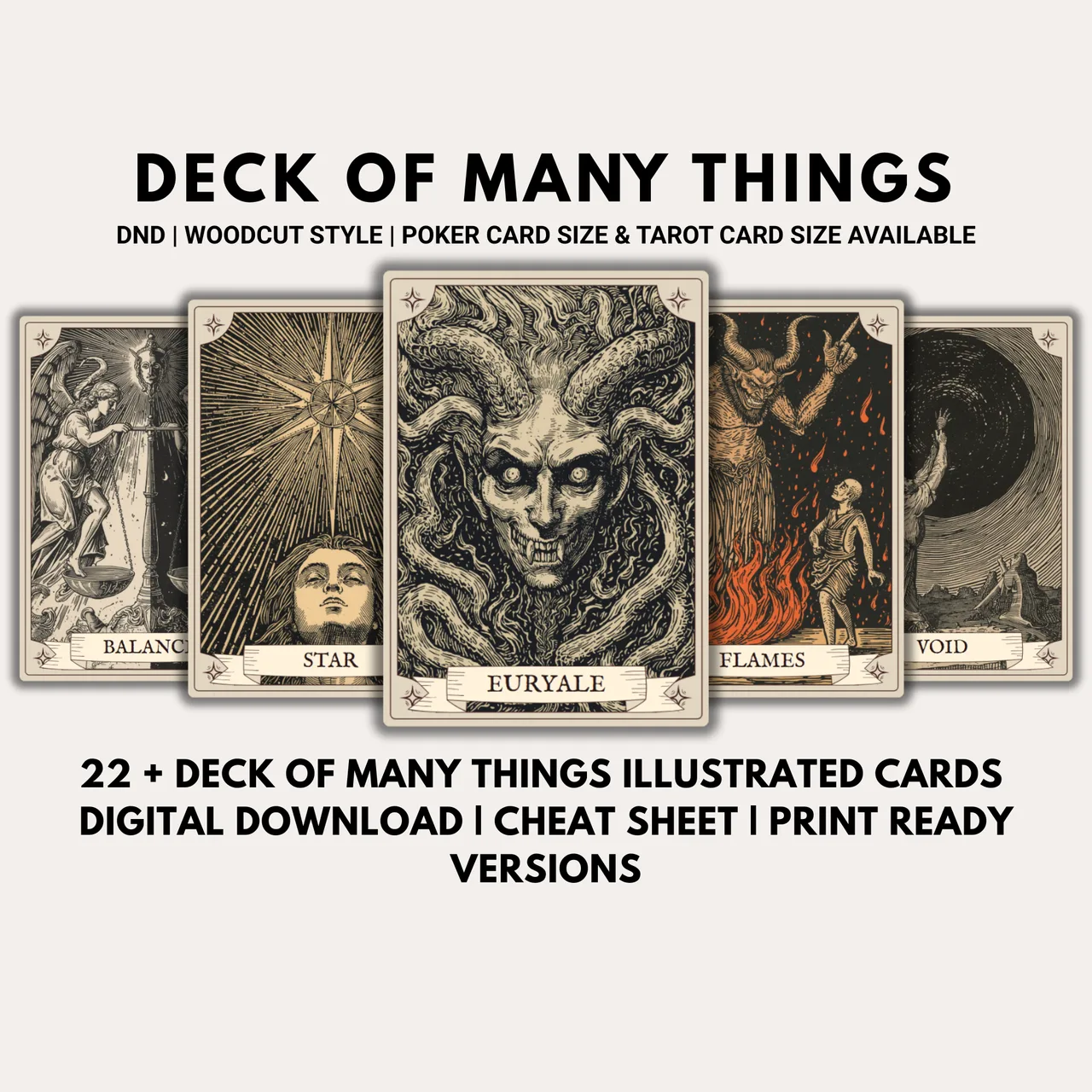
The single biggest mistake DMs make is leaving Strahd in his castle until the finale. Played that way, he’s a stat block at the end of a dungeon. Played well, he’s the reason the campaign is unforgettable.
Strahd is a patient, intelligent, centuries-old vampire who treats Barovia as his possession — because it is. He watches the party. He appears when it will unsettle them most: at a dinner invitation, in a graveyard at dusk, to make a courteous, menacing remark and vanish. He’s not trying to kill them early; he’s entertained by them, and a little intrigued. That cat-and-mouse is the engine of the campaign’s dread.
Give him recurring appearances throughout, each one raising the stakes. By the time the party storms Castle Ravenloft, they should fear and almost know him. A villain the players have met a dozen times lands infinitely harder than one they meet only at the end.
Pace Barovia as a sandbox
Curse of Strahd is an open map, not a corridor. The party can wander from the village of Barovia to Vallaki, Krezk, the Abbey, the Amber Temple, and beyond in many orders. This freedom is the campaign’s strength and its biggest prep trap.
Don’t prep all of Barovia at once — you’ll burn out before session three. Prep the region the party is heading toward, plus a little of the next, and let the sandbox reveal itself. Use the Tarokka results to give the party direction without railroading: they have reasons to seek specific places, but they choose the route.
Keep a few threads always live — Ireena’s safety, Strahd’s interest, the looming sense that Barovia is closing in — so the open world never feels aimless. The land itself should feel oppressive: grey skies, frightened villagers, a fog that’s always at the edge of the road.
Build the gothic table
Curse of Strahd lives or dies on atmosphere, and atmosphere is mostly presentation. Run sessions dim. Keep a low ambient drone under the table and cut it dead at moments of revelation. And put the haunted places in front of your players visually — the crooked streets of Barovia, the Death House staircase, the halls of Castle Ravenloft — because a specific map makes Barovia feel like a real, inescapable place.
You’ll move through a lot of locations across a months-long campaign: villages, crypts, a winery, an abbey, a vast gothic castle. A broad map library covers them without commissioning art for every scene, and running them on a tabletop display makes Castle Ravenloft loom over the table the way it should.

Keep the cast and the dread straight
Barovia is full of memorable NPCs — Ireena, the Martikovs, the burgomasters, Madam Eva — and tracking them across a long campaign is real work. Keep notes on who the party has met and who wants what, and use the NPC name generator for the inevitable villager you didn’t plan for. When fear effects come into play, a quick handle on how the frightened condition works keeps those moments sharp.
Handouts carry an outsized share of the immersion in Curse of Strahd. Barovia runs on letters, maps, journals, NPC portraits, and the Tarokka reading itself — physical props that make the dread tangible in your players’ hands. Assembling all of that from scratch is one of the biggest prep sinks in the entire adventure. A ready-made Curse of Strahd handout bundle ($80 $20) collects 500+ of those props — letters, maps, portraits, and player-facing materials built for this campaign — so your prep goes into running Barovia instead of formatting documents.
Prep one region, run it well, repeat
Curse of Strahd rewards patience over completeness. Prep Death House or the village, run it with full gothic commitment, and only then prep the next region. The campaign builds its dread over months, and so should your prep.
If you want to warm up the horror muscles before committing to a full campaign, our guide on how to run a D&D horror one-shot is a single-evening version of the same craft, and prepping for Ravenloft: The Horrors Within covers the wider Domains of Dread if you want more gothic horror after Barovia. Run Strahd as a presence, pace the sandbox, and lean into the dread, and you’ll give your table the campaign they remember.
Frequently asked questions
- Is Curse of Strahd good for a first-time DM?
- It can be, but it's demanding. Curse of Strahd is an open sandbox with a recurring intelligent villain, which asks more of a DM than a linear adventure. Running Death House first as a self-contained intro is a gentle on-ramp, and prepping one region at a time keeps the scope manageable.
- What level should players start Curse of Strahd?
- Most groups start at level 1 and run the included Death House to reach level 3 before entering Barovia proper, or start directly at level 3. The adventure is built for characters to finish around level 10, so it's a complete level 1 to 10 campaign on its own.
- What is the Tarokka reading in Curse of Strahd?
- The Tarokka reading is a card draw at the start of the campaign that randomises where three key items and an ally are located, and where Strahd can be confronted. It makes each playthrough different and weaves fate and foreboding into the story from the first session.
- How do you play Strahd as a villain?
- Play Strahd as a patient, intelligent presence rather than a monster waiting in his castle. He watches the party, appears when it unsettles them, toys with them, and treats Barovia as his domain because it is. Recurring appearances before the final fight make him feel real and dangerous.
- How long does Curse of Strahd take to run?
- A typical run takes several months of weekly sessions, often 20 to 40 sessions depending on pace and how much of the sandbox the party explores. It's a full campaign, not a short arc, so prep it region by region rather than trying to ready the whole of Barovia at once.
Keep reading
From the shop
Battlemaps, spell cards, and magic item cards, ready to print.
Browse MakeMythic on Etsy →