D&D x World of Warcraft: what DMs need to know
The D&D World of Warcraft sourcebook lands 17 November 2026 with 11 new species, 40+ specialisations and seven classic dungeons. What it means for your table.
The crossover a lot of people assumed would never happen is happening. Dungeons & Dragons: World of Warcraft releases on 17 November 2026 as the first book in D&D’s Universes Beyond line, and it is not a slim novelty product — reporting puts it at over 250 pages.
If you run a table, there are two useful questions. What is actually in it, and what can you use if you have never set foot in Azeroth.
What is reportedly in the book
Based on the announcement coverage:
- 11 new species, drawn from a roster of 16 WoW races including Dracthyr and Vulpera.
- 13 classes with 40-plus specialisations, mapping WoW’s spec system onto 5e’s class structure.
- Nine subclasses — six brand new, three updated from earlier 5e material. Death Knight, Demon Hunter and Shadow Priest are among those named.
- 60 new spells and 26 magic items.
- 30 dungeon boss stat blocks, described as legendary foes from twenty years of WoW.
- 25 factions with reward systems — a reputation-style progression structure.
- Seven classic dungeons adapted, reportedly including the Deadmines, Shadowfang Keep, Scarlet Monastery and Onyxia’s Lair.
- Rules for mounts, companion creatures and professions.
Alongside it: an Icecrown Citadel adventure, a DM screen, miniatures, and collector’s editions split by Horde and Alliance, with pre-order bonuses tied to in-game WoW rewards.
(Treat specific numbers as pre-release reporting until the book is in hand — publisher counts shift between announcement and print.)
The parts that transfer to any table
This is the part worth thinking about even if a WoW campaign is not on your list.
Seven dungeon layouts. The Deadmines is a good low-level dungeon regardless of what you call it — a mine, a hidden ship, a bandit operation with an ambitious leader. Shadowfang Keep is a haunted castle. Serial numbers file off easily, and pre-built dungeon layouts with encounter placement are the slowest thing to prep from scratch. If you would rather generate your own, the random dungeon generator does the layout half.
Thirty boss stat blocks. High-CR stat blocks with distinct mechanics are perennially in short supply, and a boss designed for a raid tends to have phases and lair-scale behaviour that ordinary 5e monsters lack. Our guide to the deadliest D&D monsters covers how those blocks tend to be built.
Twenty-five factions with reward tracks. A structured reputation system is something base 5e simply does not have. Even if you never use the specific factions, the framework is liftable into any campaign that has competing organisations.
Professions and companion rules. Crafting and pets are two areas where 5e has historically been thin. Another codified version is useful regardless of source.
The parts that are harder to port
The species. Dracthyr and Vulpera come with a lot of setting attached. They work fine mechanically, but dropping them into a Forgotten Realms game raises worldbuilding questions you will have to answer.
Forty-plus specialisations. Mapping WoW specs onto 5e classes means a great deal of new player-facing content arriving at once. Expect the usual adjustment period where two players want to rebuild their characters. Worth deciding at Session 0 whether the book is open at your table or closed.
Tone. WoW’s register is broader and more heroic than most tables’ default. That is not a criticism, but it does not blend seamlessly with a grim campaign.
Where it sits in the 2026 calendar
2026 has been the busiest D&D year in some time. The Seasons model split the year into Season of Horror, Season of Magic and Season of Champions, with Ravenloft: The Horrors Within in June and Arcana Unleashed plus Deadfall in September.
The World of Warcraft book lands in Q4, inside the Season of Champions window — see what we know about Season of Champions for the rest of that quarter. Our full 2026 release schedule tracks the year end to end.
Getting it to the table
A WoW-flavoured campaign is a visual one, and Azeroth’s dungeons are big spaces. Two practical notes:
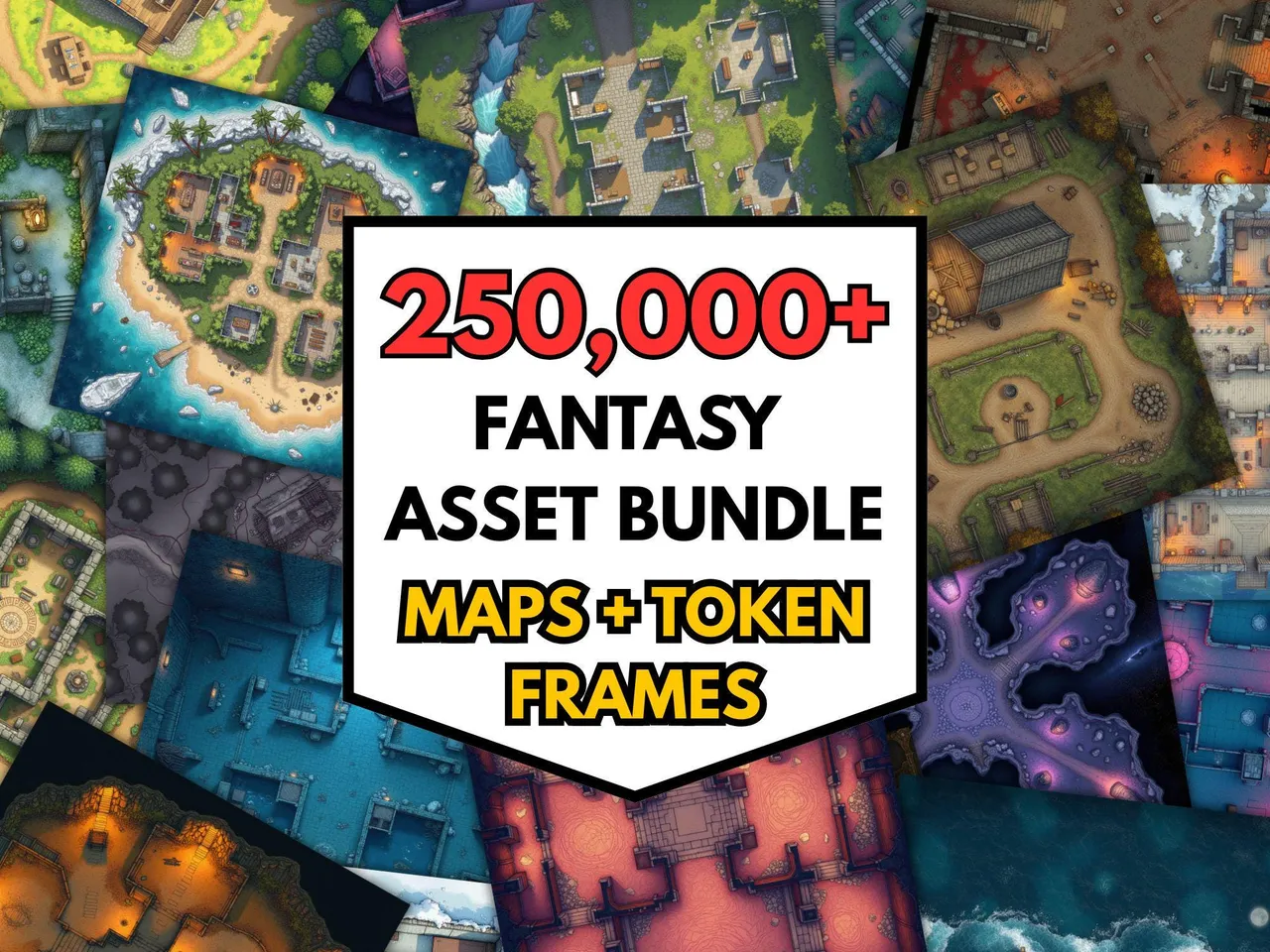
Maps. Seven adapted dungeons is seven map requirements. If the book’s maps are bound-in only, you will want digital versions for a VTT or a printer — our guide to battlemaps on a TV or projector covers the display side, and the map splitter handles printing a large dungeon across multiple sheets.
Tokens. Thirty boss stat blocks and a raid’s worth of adds is a lot of creatures on a map. A monster token library that covers CR 0 to CR 20-plus stops you substituting.
Should you buy it?
If your group played WoW, this is an easy yes — shared reference is worth a great deal at a table, and a campaign where everyone already knows what Stormwind is starts three sessions ahead.
If they did not, buy it as a parts book. Seven dungeons, thirty bosses and a faction reputation system is a reasonable amount of usable content on its own, and none of it requires you to say the word Azeroth.
If your table is deep in a current campaign, there is no urgency. Universes Beyond is a line, not a one-off, and this book will still be there in six months.
Frequently asked questions
- When does the D&D World of Warcraft book release?
- 17 November 2026. It is the first release in D&D's Universes Beyond line, and arrives alongside an Icecrown Citadel adventure, a DM screen, miniatures and Horde and Alliance collector's editions.
- What is in the D&D World of Warcraft sourcebook?
- Reported contents include 250-plus pages covering 11 new species, rules for 13 classes with over 40 specialisations, nine subclasses (six new and three updated), 60 new spells, 26 magic items, 30 dungeon boss stat blocks, 25 factions with reward systems, and adaptations of seven classic dungeons.
- Do I need to know World of Warcraft to use it?
- No. Underneath the branding it is a large pile of species, subclasses, spells, magic items and dungeon layouts that work in any 5e game. A DM who has never played WoW can lift the Deadmines as a level 3 dungeon without ever mentioning Azeroth.
- Is it compatible with the 2024 rules?
- It is built for current 5e, which means the 2024 ruleset. Tables still running 2014 will find most content usable with the usual small conversions, though subclass design assumptions follow the newer rules.
- Which dungeons are included?
- Reported adaptations include the Deadmines, Shadowfang Keep, Scarlet Monastery and Onyxia's Lair among seven classic dungeons, plus a separate Icecrown Citadel adventure released alongside the book.
- Will this replace a normal D&D campaign setting?
- It is a crossover setting rather than a new core setting. Most tables will use it either as a full Azeroth campaign or as a parts bin — factions, boss stat blocks and dungeon maps dropped into an existing world.
Keep reading
From the shop
Battlemaps, spell cards, and magic item cards, ready to print.
Browse MakeMythic on Etsy →